In the ever-dynamic landscape of Philippine public discourse, celebrity voices often intersect with political conversations in ways that generate immediate and widespread reaction. Recently!

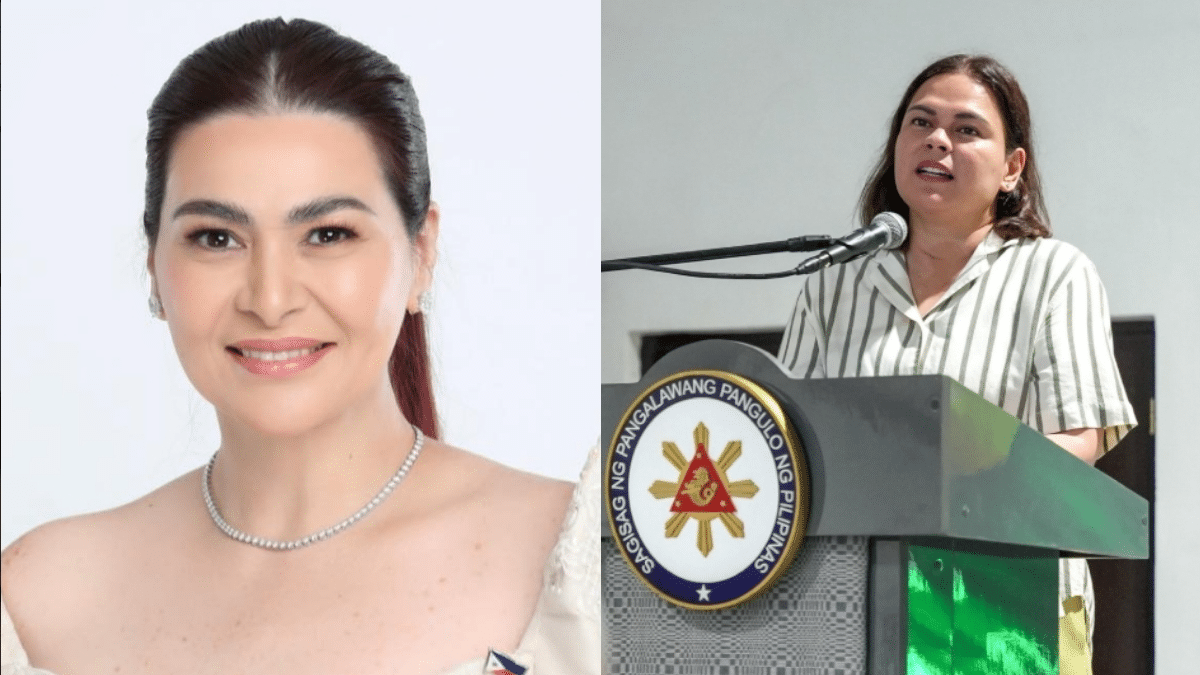
actress and public figure Aiko Melendez made a public expression of support for Sara Duterte in connection with the 2028 presidential election. What may have begun as a personal statement quickly evolved into a broader national discussion, sparking debate across social media platforms, community forums, and news commentary spaces.
Aiko Melendez is no stranger to public life. Known for her long-standing career in film and television, she has also participated in public service, which has given her familiarity with both entertainment and governance. Because of this dual background, her statements often attract attention beyond the entertainment sphere. When she voiced support for Vice President Sara Duterte’s potential 2028 bid, it resonated not only among fans but also within politically engaged communities.
Vice President Sara Duterte, a prominent political figure and daughter of former President Rodrigo Duterte, has remained at the center of conversations about the country’s future leadership. Although 2028 is still some time away, speculation about possible presidential contenders has already begun shaping public dialogue. Any endorsement—especially from a well-known personality—naturally contributes to that conversation.
Supporters of Melendez’s position have praised her for openly expressing her political preference. They argue that public figures, like any citizen, have the right to articulate their views about national leadership. In this perspective, her statement represents civic participation and personal conviction. Many who align with Sara Duterte’s leadership style see such endorsements as reinforcing the vice president’s visibility and potential momentum.
However, not all reactions have been aligned. Critics have questioned whether early endorsements may contribute to heightened political polarization. Some observers suggest that celebrities entering political debates can intensify divisions, particularly when electoral cycles are still years away. Others emphasize that endorsements, while influential, do not determine electoral outcomes.
The rapid escalation of the discussion reflects the power of digital communication. Within hours of Melendez’s remarks circulating online, social media threads expanded with supportive comments, counterarguments, and analytical posts. Hashtags referencing the 2028 election began trending, illustrating how quickly individual statements can ripple outward into larger conversations.
One factor contributing to the intensity of the debate is the evolving nature of Philippine electoral politics. Coalition-building, shifting alliances, and public endorsements all play significant roles in shaping narratives long before official campaign periods begin. In this context, early expressions of support are often interpreted as strategic signals rather than isolated remarks.
It is important to note that Vice President Sara Duterte has not, at this time, issued a formal declaration outlining a definitive 2028 campaign platform within the context of this particular development. While speculation about her political future remains common, concrete announcements typically follow structured timelines. Thus, endorsements remain part of broader discourse rather than confirmed campaign activity.
The intersection of entertainment and politics has a long history in the Philippines. Actors, musicians, and media personalities have frequently engaged in governance, advocacy, and public service. This blending of spheres can energize democratic participation but also invite scrutiny regarding influence and responsibility.
Observers emphasize the importance of respectful discourse. Political diversity is a hallmark of democratic systems. When differing viewpoints emerge—as they have in response to Melendez’s statement—the quality of conversation depends on how participants engage. Constructive dialogue strengthens civic culture, while hostility undermines it.
Another aspect worth considering is timing. Public endorsements for a future election that remains years away may shape early perceptions but do not necessarily define final electoral alignments. Political landscapes can shift in response to policy developments, national events, and evolving public priorities.
Supporters of Sara Duterte highlight her administrative experience and visibility in national leadership. Critics examine policy directions and governance approaches. These perspectives coexist within the broader debate sparked by Melendez’s statement.
Media framing also plays a role. Headlines emphasizing that the endorsement has become “a hotly debated topic” amplify attention. While such framing captures public interest, it is essential to differentiate between verified information and opinion-driven commentary.
From a civic standpoint, the episode underscores the significance of individual expression in a democratic society. Celebrities, politicians, and ordinary citizens alike contribute to shaping political narratives. The diversity of reactions demonstrates active engagement rather than indifference.
It is equally important to remember that endorsements represent personal positions. They do not equate to official campaign launches or binding alliances. In democratic systems, voters ultimately evaluate candidates based on policies, performance, and public trust.
As discussions continue, observers urge patience and balance. The 2028 election remains in the future, and political developments will unfold over time. Public interest in potential candidates reflects citizens’ desire for clarity and direction, but responsible engagement requires grounding conversations in verified information.
In conclusion, Aiko Melendez’s public expression of support for Vice President Sara Duterte has indeed generated a sensation within the community. The statement has prompted enthusiastic backing from some quarters and critical reflection from others. Yet amid the lively debate, it remains essential to maintain perspective. Endorsements contribute to dialogue but do not determine outcomes. As the political landscape evolves, clarity will come through formal announcements, policy platforms, and the democratic process itself. Until then, thoughtful and respectful discussion ensures that civic engagement remains constructive and informed.
News
Tatlong Taon Ko Silang Minake-up Nang Halos Palugi, Tapos Tinawag Nila Akong Manloloko—Pero Sa Araw Ng Cosplay Convention, Nalaman Nila Kung Sino Talaga Ang “Murang” Baguhan
Tatlong taon ko silang ginawang maganda sa harap ng camera. Tatlong taon akong nagpuyat, napaso sa glue gun, nagbayad mula…

Nang Mag-check Out Ako sa Hotel, Pinabayaran sa Akin ang ₱3.8 Milyong Kasal ng Isang Lalaking Hindi Ko Kilala—Akala Nila Madali Akong Takutin, Hanggang Makita Ko ang Pangalan sa Kopya ng ID
Noong umagang mag-check out ako sa hotel sa Tagaytay, ang inaasahan ko lang bayaran ay ₱8,200 para sa tatlong gabing…
Hinamak ng Tita Ko ang Nanay Ko sa Harap ng Buong Pamilya Dahil sa Murang Regalo—Pero Nang Ilabas ni Papa ang Susi ng Kotse, Biglang Natahimik ang Lahat sa Restaurant
Noong gabing iyon, tinawag ng tita ko ang nanay ko na “pabigat” sa harap ng buong angkan. Walang kumibo. Hindi…

Sa Ika-62 Kaarawan ng Nanay Ko, Dinala ng Tatay Ko ang “Anak-Anakan” Niya—Pero Hindi Niya Alam, Labinlimang Taon Nang Tahimik na Inihahanda ni Mama ang Pinakamasakit na Regalo Para sa Kanya
Labinlimang taon nang may kabit ang tatay ko. Hindi lang babae ang itinago niya. May dalawa pa siyang anak sa…

Nanalo Ako ng ₱240 Milyon Pero Nanatiling Hamak na Content Writer—Hanggang Ako ang Unang Bumoto Para Sibakin ang Kalahati ng Kumpanya, Kasama ang Sarili Kong Pangalan sa Listahan
Nanalo ako ng ₱240 milyon sa lotto. Hindi ako bumili ng condo sa BGC.Hindi ako nag-resign.Hindi rin ako nag-post ng…

Pinaalis Ako ng Fiancé Ko Dahil sa “Family Avoidance Rule”—Pero Hindi Niya Alam, Ako ang Gumawa ng Sistemang Nagpapatakbo sa Buong Kumpanya Niya
Noong araw na pinaalis ako ng sarili kong fiancé sa kumpanya, hindi siya nagbigay kahit isang paliwanag. Isang corporate announcement…
End of content
No more pages to load