
Growing Concerns About a Potential Fuel Crisis: Is the Philippines Prepared for Market Uncertainty?
In recent weeks, discussions about energy security have become increasingly prominent across the Philippines. Analysts, policymakers, and citizens are paying close attention to developments in the global oil market after signs of volatility sparked renewed concerns about the possibility of supply disruptions. While no immediate crisis has been confirmed, the conversation has intensified as experts emphasize the importance of preparation and strategic planning.
One of the key institutions involved in monitoring the situation is the Department of Energy (Philippines). As the government agency responsible for overseeing the country’s energy policies and resources, the Department of Energy plays a central role in ensuring that the Philippines can respond effectively to potential challenges in the fuel supply chain.
Although the current situation remains largely precautionary, the attention surrounding it highlights how important energy stability is for modern societies. Fuel is not only necessary for transportation but also for industries, power generation, agriculture, and countless other activities that keep the economy running.
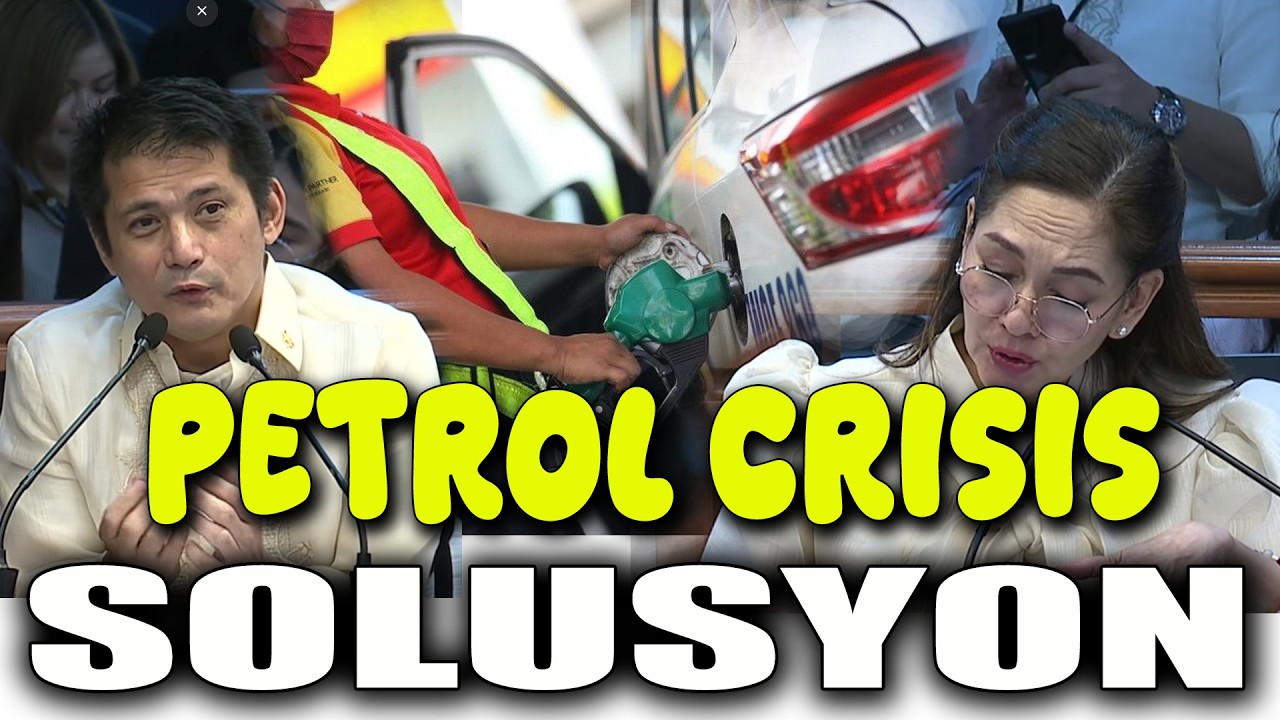
Understanding the Global Oil Market
To fully understand why concerns about a possible fuel crisis are being discussed, it is necessary to look at how the global oil market operates. Oil is one of the most widely traded commodities in the world, and its price is influenced by a variety of factors.
These include production levels from major oil-producing nations, geopolitical developments, natural disasters that affect energy infrastructure, and fluctuations in global demand. Even small changes in these factors can lead to noticeable shifts in supply and price.
Countries that import a significant portion of their fuel, such as the Philippines, are particularly sensitive to these changes. Because the nation relies on international suppliers to meet much of its energy demand, sudden movements in global markets can affect domestic prices and availability.
When signs of volatility appear in international oil markets, governments often begin preparing contingency plans to ensure that their economies remain stable.
The Role of the Department of Energy
The Department of Energy in the Philippines is responsible for creating policies that promote energy security, efficiency, and sustainability. This includes monitoring global energy trends, coordinating with energy companies, and advising the government on possible actions during times of uncertainty.
In situations where fuel supply may be threatened, the Department of Energy can work with various stakeholders to implement precautionary measures. These may include evaluating fuel reserves, coordinating import schedules, and communicating with industry leaders to ensure that distribution systems remain stable.
Officials often emphasize that preparation does not necessarily mean that a crisis is imminent. Instead, it reflects responsible planning designed to protect the country from unexpected disruptions.
The existence of contingency planning demonstrates the government’s commitment to ensuring that essential resources remain available for citizens and businesses.
Why Fuel Stability Matters
Fuel plays an essential role in the daily lives of millions of people. From the buses that transport workers to their offices to the trucks that deliver food and goods across the country, energy resources keep the economy moving.
When fuel prices rise sharply or supply becomes uncertain, the effects can ripple through multiple sectors. Transportation costs may increase, businesses may face higher operating expenses, and households may feel the pressure through rising prices for everyday goods.
Because of these potential impacts, governments and economic planners closely monitor any signs that could indicate instability in the energy market.
Maintaining fuel stability helps protect both economic growth and social well-being.
The Public’s Growing Curiosity
The recent discussions about possible fuel supply challenges have sparked curiosity among citizens who want to understand how prepared the country is for any potential difficulties.
Social media platforms and news outlets have seen a surge in conversations about energy security. Many people are asking questions about whether reserves are sufficient, what strategies exist to manage shortages, and how the government might respond if conditions in the global oil market change dramatically.
This level of public engagement reflects a growing awareness of how interconnected global systems are. Events happening thousands of kilometers away—such as disruptions in oil production or transportation—can eventually influence domestic energy costs.
For many Filipinos, the conversation is less about immediate panic and more about understanding how the country plans to safeguard its energy future.
Strategic Planning and Contingency Measures
Energy experts often emphasize that preparedness is the most effective way to reduce the risk of serious disruptions. Governments typically develop contingency plans that outline specific actions to be taken if fuel supply issues arise.
These strategies can include increasing fuel storage capacity, diversifying energy sources, and encouraging more efficient energy consumption. By taking these steps in advance, countries can reduce their vulnerability to sudden changes in the global market.
In the Philippines, policymakers have also been exploring long-term solutions such as expanding renewable energy programs. Solar, wind, and other alternative energy sources can help reduce dependence on imported fossil fuels over time.
Although renewable energy cannot completely replace oil in the short term, it plays an important role in building a more resilient energy system.
Lessons from Previous Energy Challenges
History has shown that fuel shortages and price spikes can occur unexpectedly. During previous global energy disruptions, many countries experienced economic pressure as governments struggled to secure adequate supplies.
These past experiences have encouraged nations to strengthen their energy policies and develop more flexible strategies. By studying earlier challenges, policymakers can design systems that respond more effectively to future uncertainties.
For the Philippines, maintaining strong relationships with international suppliers and continuously improving energy infrastructure remain key priorities.
Learning from the past helps ensure that future challenges can be managed more smoothly.
The Importance of Communication
Another important aspect of managing potential fuel concerns is transparent communication with the public. When people receive clear and accurate information, they are less likely to react with unnecessary alarm.
Government agencies and energy experts often work together to explain what is happening in the global market and what steps are being taken domestically. This open communication builds trust and allows citizens to understand the reasoning behind policy decisions.
Regular updates also help prevent the spread of misinformation, which can sometimes circulate rapidly during times of uncertainty.
For many observers, maintaining calm and informed dialogue is just as important as the technical aspects of energy management.
Looking Toward the Future
The discussion surrounding potential fuel supply risks also highlights a broader conversation about the future of energy. Around the world, governments are investing in new technologies and infrastructure designed to make energy systems more reliable and sustainable.
Electric vehicles, renewable power generation, and advanced storage technologies are gradually transforming how countries produce and consume energy.
In the Philippines, similar efforts are underway to modernize the energy sector and create a more balanced mix of power sources. While oil will likely remain important for many years, diversification is becoming an increasingly important goal.
These long-term changes can help reduce vulnerability to sudden fluctuations in global oil markets.
A Moment of Awareness
Although there is no confirmed fuel crisis at the moment, the current discussion has served as a reminder of how essential energy planning is for national stability.
Citizens, businesses, and government agencies all share a role in ensuring that resources are used efficiently and responsibly. By paying attention to energy trends and supporting sustainable initiatives, societies can build systems that are better prepared for uncertainty.
The growing awareness of these issues demonstrates that people recognize the importance of protecting vital resources.
Conclusion
The recent wave of discussions about a potential fuel crisis in the Philippines reflects the complex realities of a globalized energy market. With signs of volatility appearing in international oil trends, experts and institutions such as the Department of Energy are focusing on preparedness and strategic planning.
While there is no immediate confirmation of a crisis, the situation underscores how important it is for governments to monitor developments closely and maintain contingency plans that protect national interests.
For the public, the conversation offers an opportunity to learn more about how energy systems operate and why careful planning is essential for economic stability.
As the world continues to navigate changing energy dynamics, the Philippines—like many other nations—will rely on cooperation, innovation, and responsible governance to ensure that its energy future remains secure and resilient.
News

Noong Hinabol ng Madrasta Ko ang Allowance na Ibinigay ng Tatay Ko, Pinahiya Niya si Mama sa Harap ng Opisina—Pero Hindi Niya Alam na Hawak Ko ang Isang Ebidenisyang Sisira sa Buong Buhay Niya
Noong mismong ika-labingwalong kaarawan ko, hindi cake ang unang bumungad sa akin. Isang mensahe iyon mula sa madrasta ko. At…

Noong Umakyat sa Entablado ang Anak Kong Top 1 sa Buong Lalawigan, Isang Pangungusap Lang ang Sinabi Niya—At Doon Nagsimulang Gumuho ang Perpektong Buhay ng Asawa Kong Nagtago sa Likod ng Unang Pag-ibig Niya
“Patay na po ang tatay ko.” Iyon ang sinabi ng anak ko sa harap ng buong auditorium—habang hawak niya ang…

Sa Gabi ng Aking Kasal, Iniwan Ako ng Asawa Ko Para sa Kanyang Kababata—Pero Hindi Niya Alam, Isang Mensahe Ko Lang ang Babagsak sa Kanyang Pamilya, sa Kanyang Imperyo, at sa Lihim ng Aking Ina
Sa buong Forbes Park, kilala ako bilang babaeng marunong ngumiti kahit sinasaksak na sa harap ng hapag-kainan. Tahimik. Magalang. Anak-mayaman…

Noong Bisperas ng Bagong Taon, Isinugod Ako ng Asawa Ko sa Ospital Nang Pumutok ang Panubigan Ko—Ngunit sa Likod ng Kotse, Natagpuan Ko ang Patunay na Ang Tatay ng Anak Ko ay Matagal Nang Nawala sa Amin
Noong Bisperas ng Bagong Taon, pumutok ang panubigan ko habang nagpapaputok ang buong barangay sa labas. Hindi na nagsapatos ang…

Akala Nila Isa Lang Akong Probinsyanang Pulot sa Kalsada—Hanggang sa Mismong Reception ng Pamilyang Dela Cruz, Pinahiya Ako ng Pekeng Anak… at Sa Harap ng Isang Amerikanong Investor, Nabunyag Kung Sino Talaga ang Henyo
Mahilig akong umarte mula pagkabata. Noong sanggol pa lang ako, kaya ko nang magsalita. Pero masyadong ordinaryo iyon. Kaya tumahimik…

Isang Buwan Matapos ang Diborsyo, Nalaman Kong Buntis Ako ng Triplets—At Nang Malaman ng Pamilya ng Ex-Husband Ko, Doon Nila Naintindihan Kung Sino Talaga ang Itinapon Nila
Isang buwan matapos akong hiwalayan ng asawa ko para sa babaeng minahal niya noon, nalaman kong buntis ako. Hindi isa….
End of content
No more pages to load