Supporters of former Philippine President Rodrigo Duterte have expressed celebration following circulating reports suggesting that he may soon be “freed” or granted temporary release in connection with proceedings before the International Criminal Court (ICC). While official documentation and formal confirmation remain essential to fully understand the scope of the development, the news has already sparked widespread discussion across political, legal, and social circles.
For many of Duterte’s supporters, the reports represent a hopeful turning point. Social media platforms have been filled with messages of encouragement, expressions of loyalty, and renewed confidence in what they view as a principled stand. Public commentary from his allies has reiterated long-standing themes, particularly the assertion that national sovereignty should remain paramount and that external institutions should not overstep their jurisdiction.

At the center of this unfolding situation lies a complex intersection of domestic governance and international legal mechanisms. The ICC was established to address serious international matters when national systems are unable or unwilling to carry out proceedings themselves. It operates under a treaty framework agreed upon by participating states. Questions of jurisdiction, cooperation, and legal interpretation are governed by detailed procedural rules.
Reports of a possible temporary release do not automatically imply the conclusion of a case. In international judicial practice, provisional release can occur under specific legal conditions. Courts may determine that a person can remain outside detention facilities while proceedings continue, provided that certain guarantees are met. These conditions often include commitments to appear at hearings, restrictions on travel, and compliance with court directives.
Legal experts emphasize that temporary measures are procedural decisions rather than final judgments. They reflect assessments about risk, cooperation, and fairness, rather than determinations about substantive issues. Therefore, public reaction should be viewed in light of this distinction. Celebration or criticism may reflect political sentiment, but judicial decisions rest on legal criteria.
Duterte’s camp has consistently framed its position around resistance to what it characterizes as foreign interference. During his presidency and afterward, he often articulated a strong emphasis on national independence and self-determination. That perspective continues to shape the messaging of his supporters. For them, the case before the ICC symbolizes broader questions about how international institutions interact with sovereign states.
The Philippines’ relationship with the ICC has evolved over time. While the country once participated fully in the treaty framework, later developments changed its formal status. Nonetheless, legal discussions regarding jurisdiction and applicable timeframes remain subjects of interpretation among scholars and practitioners. Such issues are typically resolved through judicial reasoning rather than political debate.
Public reaction illustrates how deeply intertwined law and politics can become in high-profile cases. Supporters interpret the reported development as validation of their faith in due process. Critics urge careful examination of procedural details before drawing conclusions. Both perspectives highlight the importance of transparency and accurate information.
In situations involving international courts, official announcements carry particular weight. Written orders outline the legal basis for decisions, including references to relevant articles and standards. Until such documents are publicly available, preliminary reports should be approached with caution. Responsible reporting requires distinguishing between confirmed rulings and early speculation.
Beyond the legal specifics, the episode underscores the enduring influence of Duterte in Philippine political life. Years after leaving office, his name continues to generate strong reactions. Supporters recall policy initiatives and leadership style that resonated with them, while critics maintain concerns about certain approaches. The current debate reflects the persistence of these divergent views.
The principle of resisting interference resonates not only domestically but also within broader global conversations. Many nations navigate complex relationships with multilateral institutions. Participation in international agreements can bring benefits, yet debates often arise about jurisdiction and sovereignty. Balancing these dimensions requires diplomatic engagement and legal clarity.
If a temporary release is formally granted, it would likely come with conditions. International courts aim to ensure that individuals remain available for proceedings. Conditions might include periodic reporting, travel limitations, or other safeguards. Compliance with such measures would be essential to maintain the arrangement.
Observers also note that international proceedings can extend over long periods. Pre-trial motions, evidentiary submissions, and judicial deliberations require careful review. Interim developments should therefore be understood as part of an ongoing process rather than a definitive endpoint.
Media coverage plays a significant role in shaping public understanding. Headlines emphasizing dramatic shifts may capture attention, but nuanced explanation helps audiences grasp the procedural context. Clear communication from official sources remains the most reliable guide.
The emotional dimension of public reaction is understandable. Leadership figures often inspire strong loyalty among supporters. When news suggests a favorable development, expressions of relief and optimism naturally follow. However, sustaining trust in institutions depends on respect for orderly process.
International law functions through structured mechanisms. Judges apply treaty provisions and evidentiary standards to specific facts. Decisions are subject to internal review procedures. This systematic approach aims to ensure fairness and consistency.
For citizens observing from abroad, including readers in Vietnam and other countries, the situation offers insight into how international judicial systems interact with national politics. It illustrates the complexity of modern governance in an interconnected world.
It is also important to avoid framing developments in absolute terms. Words like “freed” may carry different meanings depending on context. A temporary release does not erase pending proceedings. Nor does it predetermine future outcomes. Precision in language helps prevent misunderstanding.
Duterte’s allies have reiterated that they will continue to assert their position through legal channels. Engaging the judicial process reflects recognition that structured mechanisms exist to address disputes. Regardless of one’s political stance, reliance on institutional pathways contributes to stability.
As discussions continue, observers emphasize patience. Official confirmation, detailed explanations, and subsequent hearings will provide clearer direction. Public debate benefits from verified information rather than assumption.
In conclusion, reports suggesting that former President Rodrigo Duterte may soon be granted temporary release in connection with ICC proceedings have prompted celebration among supporters and renewed debate about sovereignty and international law. His camp’s consistent emphasis on resisting foreign interference aligns with its broader narrative of national independence. Yet the ultimate course of events depends on formal judicial decisions and adherence to established legal procedures. Careful attention to verified updates will remain essential as the situation evolves.
News

A YOUNG MAN IN THE PROVINCE WAS FEELING ROMANTIC AND HANGED OUTSIDE HIS LOVED ONE’S WINDOW WITH A GUITAR AND A PUMPING SOUND SYSTEM, BUT HE ALMOST DIED OF EMBARRASSMENT WHEN THE WINDOW OPENED AND THE GIRL WASN’T THE ONE WHO PEEKED OUT
In a remote sitio in Nueva Ecija, Kiko is known as the most passionate young man when it comes to…

ISANG DALAGA ANG BUMILI NG NAKAKANDADONG TALAARAWAN SA ISANG LUMANG TINDAHAN SA BAGUIO AT KINILABUTAN NANG MABASA ANG NILALAMAN DAHIL DETALYADO NITONG INILALARAWAN ANG PANG-ARAW-ARAW NA GAWAIN SA ISANG BAHAY
Malamig at walang patid ang pag-ambon sa lungsod ng Baguio. Nakasilong si Lia, isang bente-kwatro anyos na arkitekto, sa isang…

After ten years of marriage, I want everything to be split fairly… even now, it still matters. Ten years is not a small thing.
For ten years I woke before him. Ten years arranging his meetings, his meals, his travel. Ten years pausing my…

THE HAGUE HEATS UP! A Dramatic Defense of Rodrigo Duterte Unfolds Before the International Criminal Court as Nicholas Kaufman Argues Evidence Over Emotion and Questions the Narrative Surrounding the Anti-Drug Campaign
THE HAGUE HEATS UP! A Dramatic Defense of Rodrigo Duterte Unfolds Before the International Criminal Court as Nicholas Kaufman Argues…
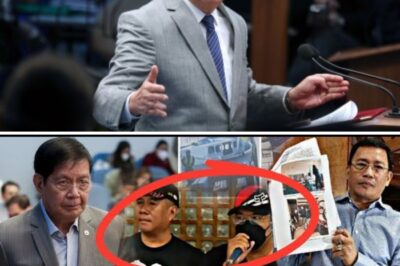
LAGOT NA TALAGA! Ping Lacson, Nag-aapoy sa Galit Laban sa mga ‘Tanim-Witness’! Sino Nga Ba ang mga Scripted na Saksi sa Likod ng Matinding Drama na Ito?
Grabe na talaga ang init ng mga kaganapan ngayon sa ating bansa na tila ba isang teleserye na hindi mo…
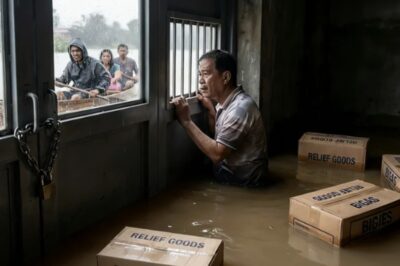
WALANG AWA NA ITINAGO NG ISANG SAKIM NA KAPITAN NG BARANGAY ANG MGA RELIEF GOODS MULA SA MGA NAGMAMAKAAWANG RESIDENTE SA GITNA NG MALAKING BAHA UPANG IBENTA ITO NG PALIHIM, NGUNIT NANG TUMAAS ANG TUBIG AY KANYANG NATUKLASAN NA ANG MGA TAONG KANYANG PINAGKAITAN AY ANG MISMONG NAGKANDADO SA KANYANG TAGUAN
Walang awang hinampas ng malakas na hangin at ulan ang bubungan ng Barangay San Roque sa Marikina. Signal Number 3…
End of content
No more pages to load