In the ever-dynamic landscape of Philippine politics, controversy is rarely far away. In recent weeks, public discourse has intensified following strong criticisms directed at the current administration of Ferdinand Marcos Jr., often referred to by critics as the “Marcos administration.”
A wave of political commentary, particularly from social media users and outspoken observers, has sparked heated debate. Many critics argue that while certain national issues affecting ordinary citizens appear to move slowly within government channels, actions connected to possible legal challenges involving Sara Duterte seem to progress with surprising speed.
The contrast—whether perceived or real—has ignited passionate conversations across the country, revealing deeper tensions within the Philippine political arena.
Rising Public Frustration
In recent years, Filipinos have faced a range of pressing challenges: rising fuel prices, inflation affecting basic commodities, transportation concerns, and ongoing economic adjustments in the post-pandemic era.
For many citizens, the pace of government response to these issues has become a frequent subject of frustration.
Critics argue that urgent matters affecting the public—such as economic relief programs, social services, and long-term solutions to rising costs—often appear bogged down in bureaucratic processes.
These frustrations are not unique to the Philippines. Around the world, governments frequently face similar accusations when citizens feel that policy responses do not match the urgency of everyday struggles.
However, the Philippine situation has taken on a unique political dimension due to the ongoing tensions involving Vice President Sara Duterte.

ADivided Political Landscape
The administration led by President Ferdinand Marcos Jr. emerged from the historic 2022 elections, where he ran in tandem with Sara Duterte, daughter of former president Rodrigo Duterte.
At the time, their alliance—popularly known as the “UniTeam”—represented a powerful political coalition that secured a landslide victory.
Supporters saw the partnership as a symbol of unity between two influential political families.
Yet political alliances can shift over time, and observers say subtle tensions have gradually surfaced between different factions within the government.
These developments have fueled speculation about evolving political dynamics ahead of future national elections.
Legal Questions and Political Debate
Recently, discussions about potential legal actions connected to Vice President Sara Duterte have circulated in political circles and media commentary.
While details remain subject to legal processes and official announcements, the mere possibility of investigations or cases has become a lightning rod for public debate.
Supporters of Duterte argue that certain legal moves appear politically motivated, suggesting that the government is acting with unusual speed when it comes to building cases or pursuing investigations.
On the other hand, defenders of the administration insist that any legal process must follow the rule of law, regardless of who is involved.
They argue that institutions must remain independent and that investigations should proceed whenever necessary.
This clash of perspectives reflects a broader divide in public opinion.
Social Media Amplifies the Debate
In today’s digital age, political discourse rarely stays confined to traditional media outlets.
Social media platforms have become powerful arenas for public opinion.
In the Philippines—one of the world’s most active social media markets—political conversations often trend online within minutes.
Critics of the administration have used social media to voice frustration, claiming that the government seems slow to address public welfare concerns but quick to act when political rivals are involved.
Supporters of the administration counter these claims by pointing to various economic initiatives and government programs aimed at improving national conditions.
The result is a polarized online environment where narratives compete for attention.
The Role of Political Perception
Political analysts note that perception plays a crucial role in shaping public sentiment.
Even when policies are implemented or reforms are underway, the public’s perception of government responsiveness can determine whether those actions are seen as effective.
If citizens feel their immediate concerns—such as food prices, wages, or transportation costs—are not being addressed quickly enough, dissatisfaction may grow regardless of the complexity involved in policymaking.
At the same time, highly visible political developments—such as legal cases or investigations involving prominent figures—tend to attract greater media coverage.
This imbalance can sometimes create the impression that political issues receive more attention than economic concerns.
Economic Challenges Facing the Nation
The broader context of this political debate cannot be separated from the economic realities confronting many Filipinos.
Inflation, particularly in food and fuel, has placed pressure on household budgets.
Public transportation groups have called for government assistance as fuel prices fluctuate.
Farmers and fishermen have raised concerns about supply chains and agricultural support.
Each of these issues requires careful policy planning, budget allocation, and coordination among multiple government agencies.
Such processes often take time—sometimes longer than the public expects.
Nonetheless, citizens continue to demand faster solutions.
Calls for Leadership and Accountability
Amid the heated political discussions, many voices are calling for leaders to focus on unity and governance rather than political conflict.
Civil society organizations, policy experts, and community leaders have emphasized the importance of prioritizing national development.
They argue that political rivalries should not distract from the urgent needs of the population.
This perspective echoes a common sentiment in Philippine history: that leadership must rise above partisan divisions to address the country’s most pressing challenges.
The Legacy of Political Rivalries
The Philippines has a long history of complex political alliances and rivalries.
Families with strong regional influence often play major roles in shaping national politics.
The Marcos and Duterte families, both powerful in their own right, represent two of the most influential political dynasties in modern Philippine history.
While their partnership during the 2022 elections symbolized unity, political analysts note that alliances between powerful groups can evolve over time.
Such developments are not unusual in democratic systems, where political interests and strategies change as new issues emerge.
What Happens Next?
As discussions continue, the future relationship between the Marcos administration and Vice President Sara Duterte remains a topic of intense speculation.
Several possible scenarios could unfold:
• Continued cooperation within the administration
• Increasing political distance between factions
• Legal proceedings that clarify ongoing controversies
• Strategic political positioning ahead of future elections
Whatever the outcome, the situation will likely shape the country’s political narrative in the coming years.
The Voice of the Filipino People
Perhaps the most important element in this unfolding story is the voice of the Filipino people themselves.
Citizens across the country are closely watching how leaders respond to economic concerns, political controversies, and national challenges.
Public opinion in the Philippines has historically played a powerful role in shaping political outcomes.
From mass demonstrations to electoral shifts, the collective voice of the population has repeatedly influenced the direction of national leadership.
Balancing Politics and Public Service
For any administration, balancing political realities with the responsibilities of governance is a delicate task.
While legal accountability and institutional integrity remain essential elements of democracy, citizens also expect swift and effective action on issues affecting their daily lives.
The debate now unfolding in the Philippines highlights this tension.
On one side are those demanding greater focus on public welfare.
On the other are those emphasizing the importance of legal processes and institutional independence.
A Nation Watching Closely
As the story continues to develop, one thing is certain: the Filipino public remains deeply engaged.
Whether through public forums, news discussions, or social media debates, citizens are actively participating in conversations about leadership, accountability, and national priorities.
In a vibrant democracy like the Philippines, such engagement reflects both the passion and the expectations of the people.
And as the Marcos administration navigates the challenges ahead—while Vice President Sara Duterte remains a central figure in national politics—the country watches closely, waiting to see how the next chapter of this political drama will unfold.
News

Manny Pacquiao Has Something Bad to Do with Jillian Ward? Emman Bacosa Completely Deletes the Actress from His Life After Discovering That the Girl Has Another Man’s Attention!
In the world of showbiz and sports, it seems that nothing is more explosive than the news involving a Pacquiao…

HABANG LUMULUBOG ANG BAYAN SA TAAS-PRESYO… ISANG ARTISTA ANG GUMAWA NG HINDI INAASAHAN — ANG LIHIM NA DESISYON NI DONNY PANGILINAN NA NAGPAIYAK SA MGA DRAYBER AT NAGPA-ASA SA LIBO-LIBONG PILIPINO
Habang Lahat Nagtaas… Si Donny Pangilinan Nagbaba Para sa Tao. HABANG LUMULUBOG ANG BAYAN SA TAAS-PRESYO… ISANG ARTISTA ANG GUMAWA…

Viral Controversy Clarified: The Truth Behind the Alleged Incident Involving Jeric Raval and Kylie Padilla
In the fast-moving world of entertainment, where headlines are often driven by speculation and amplified by social media, it takes…

https://av.weeknews247.com/aviet/unang-panalo-nabuksan-ang-iran-blockade-balik-export-na-ang-iraq-at-saudi-sa-gitna-ng-matinding-tensyon-sa-strait-of-hormuz-at-krisis-sa-pandaigdigang-merkado-ng-langis/
In the ever-evolving world of Philippine entertainment, few on-screen partnerships have captured the imagination of fans quite like Kim Chiu…
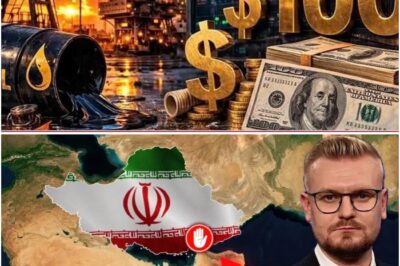
Unang Panalo! Nabuksan ang Iran Blockade: Balik Export na ang Iraq at Saudi sa Gitna ng Matinding Tensyon sa Strait of Hormuz at Krisis sa Pandaigdigang Merkado ng Langis
Sa gitna ng tila walang katapusang gulo at tensyon sa Gitnang Silangan, sa wakas ay may magandang balitang sumalubong sa…
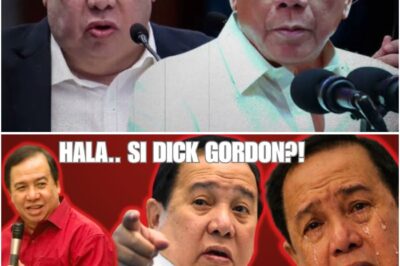
Mula sa Bulwagan ng Senado Patungo sa Harapan ng Kalamidad: Nasaan na nga ba ang Maalamat na ‘Action Man’ na si Dick Gordon at Ano ang Kanyang Pinagkakaabalahan Ngayong 2026?
Sa mabilis na takbo ng pulitika sa Pilipinas, madaling makalimot ang publiko sa mga pangalang dati ay laging laman ng…
End of content
No more pages to load