
In the volatile arena of Philippine politics, controversies can emerge quickly and spread even faster. In recent weeks, a new wave of allegations, denials, and political speculation has dominated public discourse, centering on the impeachment controversy involving Sara Duterte.
The issue has stirred heated debates across television networks, social media platforms, and political forums. Supporters and critics alike are dissecting every detail—from accusations surrounding an individual named Ramil Madriga to broader claims about political maneuvering by opposition figures such as Risa Hontiveros and Antonio Trillanes IV.
While the truth behind many claims remains under investigation, the controversy reflects deeper tensions within the Philippine political landscape—tensions that involve loyalty, power struggles, media narratives, and the increasingly influential role of digital information in shaping public opinion.
A Controversy That Captured National Attention
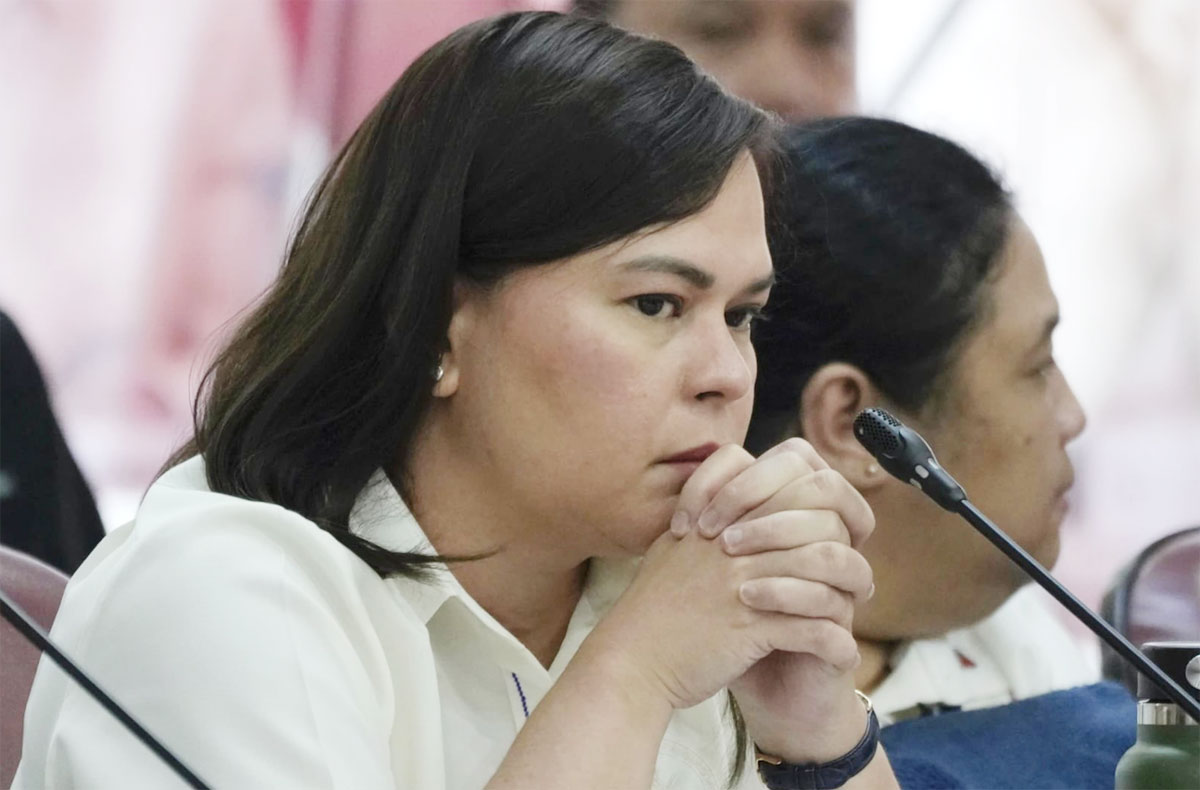
The controversy escalated after allegations surfaced linking Vice President Sara Duterte to a man named Ramil Madriga. Some reports and online narratives described Madriga as a supposed “former aide” or “bagman,” implying a direct relationship with the vice president.
These claims quickly spread across various media channels, fueling speculation and criticism.
However, Duterte strongly rejected these accusations. In public statements, she insisted that the claims were false and misleading, stressing that Madriga had never been her employee, aide, staff member, or personal associate in any official capacity.
According to Duterte, the only connection between her and Madriga came indirectly through a mutual acquaintance—lawyer Ryan Kilala.
The Alleged Connection
Attorney Ryan Kilala reportedly studied law at San Sebastian College, the same institution where Sara Duterte earned her law degree. After she completed her studies, Kilala and Duterte eventually became acquaintances.
Madriga, on the other hand, was said to have known Kilala from earlier legal interactions. Reports suggest that Madriga had once been involved in a kidnapping case years ago but was acquitted by the Philippine Supreme Court. During that legal battle, members of the San Sebastian Legal Aid program were among the lawyers who helped handle his case.
Through these interactions, Madriga allegedly developed a friendship with Kilala.
This connection would later become the basis for claims that Madriga somehow had proximity to Duterte—a claim her supporters say is a major exaggeration.
The “EP Pilipinas” Story
One of the most unusual aspects of the controversy revolves around a group called “EP Pilipinas.”
According to accounts circulating in political discussions, Madriga allegedly created the organization as a supposed campaign support group for Sara Duterte during the period when many political observers speculated she might run for president.
Yet the story behind the organization reportedly began as a joke.
Some narratives claim that Kilala—who was also known to perform part-time as a stand-up comedian—once jokingly suggested forming a group supporting Duterte’s potential presidential candidacy.
Madriga allegedly took the idea seriously and attempted to organize a group under that concept.
If true, the story illustrates how an informal remark could spiral into something larger once political ambitions, social media exposure, and personal motivations enter the equation.
Supporters of Duterte argue that this alone demonstrates that the vice president had no direct involvement in the formation of the organization.
Online Meetings and Misinterpreted Photos
Another piece of supposed “evidence” frequently circulated online consists of screenshots of virtual meetings where Duterte appeared together with members of the EP Pilipinas group.
However, defenders of the vice president say these images have been misinterpreted.
They claim the online sessions were large group meetings, sometimes involving dozens of participants at once. In one example frequently cited, the meeting reportedly included as many as 67 attendees.
According to this explanation, Duterte was simply participating in open discussions with supporters or civic groups—something many politicians regularly do.
Screenshots showing two individuals on screen at a time, critics argue, are being used out of context to imply a closer relationship than actually existed.
The Inauguration Photo Controversy
A second set of images fueling speculation shows Madriga appearing in photos taken during a public event associated with Duterte.
But organizers of the event reportedly explained that Madriga was not officially invited.
Instead, attorney Kilala had originally been invited to represent the organization but was unable to attend. Madriga allegedly attended as a proxy.
Event organizers say the gathering lasted several hours, during which Duterte posed for photos with hundreds of attendees and even members of the public who happened to be nearby.
Supporters say this context matters.
If a politician takes photographs with hundreds—or even thousands—of people during public events, they argue, it would be unreasonable to assume that every person in those photos is personally connected to the official.
Duterte Files Perjury Complaint
The controversy reached a new stage when Vice President Sara Duterte filed a perjury complaint, accusing Madriga of making false claims about their relationship.
Her statement emphasized that labeling Madriga as a former aide was inaccurate.
She called on media organizations to exercise caution in reporting the issue, warning that misinformation could damage reputations and mislead the public.
The complaint, Duterte said, aims to correct what she described as fabricated narratives spreading through both traditional media and social networks.
Political Tensions and Speculation
The controversy did not remain confined to legal debates.
It quickly expanded into a wider political argument, with some commentators speculating that rival political figures might be exploiting the situation to weaken Duterte’s influence.
Among the names frequently mentioned in online discussions are Senator Risa Hontiveros and former senator Antonio Trillanes IV, both known for their critical stance toward the Duterte political family.
However, no conclusive evidence has emerged linking them directly to the allegations against the vice president.
Still, in the highly polarized environment of Philippine politics, suspicions and accusations often travel faster than verified information.
The Impeachment Question
The controversy also intersects with ongoing political conversations about a possible impeachment attempt against Sara Duterte.
Impeachment in the Philippines is a constitutional process that begins in the House of Representatives before potentially moving to the Senate for trial.
Political observers note that impeachment proceedings often reflect broader struggles for power within the government.
In recent years, divisions between political factions have intensified, making such processes even more politically charged.
Although no final outcome has been determined, the mere discussion of impeachment has already sparked fierce reactions from both supporters and critics of the vice president.
The Role of Media and Social Networks
The rapid spread of the Madriga controversy highlights the immense influence of digital media in modern politics.
A single claim—whether verified or not—can quickly circulate across Facebook, YouTube, TikTok, and other platforms.
Supporters of Duterte argue that misinformation campaigns can easily shape public perception before facts are fully established.
Meanwhile, critics say transparency and investigation are necessary whenever public officials are connected to controversial figures.
This tension between information and misinformation has become a defining feature of the political age.

Duterte’s Political Standing
Despite the controversy, Sara Duterte remains one of the most prominent figures in Philippine politics.
Before becoming vice president, she served as mayor of Davao City and built a strong political base among supporters who admire her leadership style.
She is also the daughter of former president Rodrigo Duterte, whose presidency reshaped the country’s political landscape and continues to influence political alliances today.
Because of her family background and national profile, any controversy involving Sara Duterte tends to attract enormous public attention.
A Divided Public
As with many political controversies, public reaction has been sharply divided.
Supporters of Duterte argue that the allegations against her are politically motivated and built on weak evidence.
They point to the lack of direct proof linking her to Madriga and emphasize the explanations provided by event organizers and associates.
Critics, on the other hand, argue that all claims involving high-ranking officials deserve thorough investigation.
For them, transparency and accountability remain essential components of democratic governance.
The Bigger Picture
Beyond the personalities involved, the controversy reflects deeper issues within Philippine politics:
The intense rivalry between political factions
The influence of social media narratives
Public frustration with corruption and political intrigue
The continuing power of political dynasties
These factors create an environment where controversies quickly escalate into national debates.
What Happens Next?
The legal complaint filed by Sara Duterte could determine whether the allegations against Madriga hold any legal weight.
Investigators will likely examine evidence, testimonies, and digital records to determine whether false statements were made.
At the same time, the broader political conversation—particularly regarding impeachment—will continue to evolve.
Whether the issue fades quietly or escalates further may depend on what new information emerges in the coming months.
A Moment of Political Reckoning
For now, the Madriga controversy serves as a reminder of how quickly narratives can form in the modern political era.
A mix of rumors, political rivalries, personal stories, and media amplification has transformed what might have been a minor issue into a national discussion.
As Filipinos watch events unfold, many are asking the same question:
Is this merely another chapter in the country’s long history of political drama—or the beginning of a much larger confrontation in Philippine politics?
The answer may shape the future of the nation’s leadership in ways that are only beginning to unfold.
News

Manny Pacquiao Has Something Bad to Do with Jillian Ward? Emman Bacosa Completely Deletes the Actress from His Life After Discovering That the Girl Has Another Man’s Attention!
In the world of showbiz and sports, it seems that nothing is more explosive than the news involving a Pacquiao…

HABANG LUMULUBOG ANG BAYAN SA TAAS-PRESYO… ISANG ARTISTA ANG GUMAWA NG HINDI INAASAHAN — ANG LIHIM NA DESISYON NI DONNY PANGILINAN NA NAGPAIYAK SA MGA DRAYBER AT NAGPA-ASA SA LIBO-LIBONG PILIPINO
Habang Lahat Nagtaas… Si Donny Pangilinan Nagbaba Para sa Tao. HABANG LUMULUBOG ANG BAYAN SA TAAS-PRESYO… ISANG ARTISTA ANG GUMAWA…

Viral Controversy Clarified: The Truth Behind the Alleged Incident Involving Jeric Raval and Kylie Padilla
In the fast-moving world of entertainment, where headlines are often driven by speculation and amplified by social media, it takes…

https://av.weeknews247.com/aviet/unang-panalo-nabuksan-ang-iran-blockade-balik-export-na-ang-iraq-at-saudi-sa-gitna-ng-matinding-tensyon-sa-strait-of-hormuz-at-krisis-sa-pandaigdigang-merkado-ng-langis/
In the ever-evolving world of Philippine entertainment, few on-screen partnerships have captured the imagination of fans quite like Kim Chiu…
Unang Panalo! Nabuksan ang Iran Blockade: Balik Export na ang Iraq at Saudi sa Gitna ng Matinding Tensyon sa Strait of Hormuz at Krisis sa Pandaigdigang Merkado ng Langis
Sa gitna ng tila walang katapusang gulo at tensyon sa Gitnang Silangan, sa wakas ay may magandang balitang sumalubong sa…
Mula sa Bulwagan ng Senado Patungo sa Harapan ng Kalamidad: Nasaan na nga ba ang Maalamat na ‘Action Man’ na si Dick Gordon at Ano ang Kanyang Pinagkakaabalahan Ngayong 2026?
Sa mabilis na takbo ng pulitika sa Pilipinas, madaling makalimot ang publiko sa mga pangalang dati ay laging laman ng…
End of content
No more pages to load