
Headlines like this are designed to ignite urgency. Words such as “BIG EVIDENCE,” “shock revelations,” and “before it disappears” create a sense that something historic has just unfolded
. But when dramatic claims surface—especially involving public figures—it is essential to slow down and separate verified developments from emotionally charged framing.

If the reference is to Sandro Marcos, any formal testimony or presentation of documents would normally follow established institutional procedures. Major disclosures are not settled by viral captions alone. They move through official channels—hearings, documented submissions, cross-examinations, and independent verification. In democratic systems, evidence is evaluated within legal and legislative frameworks, not through social media momentum.
When a post claims that “names, dates, and evidence” have been revealed that could change the course of politics, several questions naturally arise:
Where did the testimony occur?
Was it part of an official proceeding?
Are the documents publicly accessible?
Have reputable news organizations reported and confirmed the details?
Without clear answers supported by reliable reporting, it is difficult to assess the magnitude of the claims. Political narratives often intensify language to capture attention, but history shows that transformative moments tend to unfold through sustained institutional processes rather than sudden online revelations.
The suggestion that information might “disappear or be censored” is another common tactic to create urgency. While transparency concerns are legitimate topics of discussion, established legal proceedings typically produce records that are difficult to erase. When claims are framed as fleeting secrets, it can sometimes signal a need for careful verification rather than immediate acceptance.

If substantial evidence truly has been presented, what happens next would depend on procedure. Authorities would review documentation. Independent bodies might examine its credibility. Those named would have the opportunity to respond. Investigations, if warranted, would proceed according to legal standards. Outcomes in such matters are rarely instantaneous; they involve careful review and due process.
It is also important to recognize that political landscapes are shaped by more than a single testimony. Public trust, institutional checks, media scrutiny, and civic engagement all play roles. Even significant disclosures must pass through structured mechanisms before they produce lasting consequences.
For readers encountering dramatic announcements, the most responsible step is patience. Look for confirmation from multiple reputable sources. Seek full transcripts or official statements rather than summaries. Evaluate whether the language of the post emphasizes evidence or emotion. In many cases, the tone itself can signal whether the goal is information or amplification.
If verified and substantiated, credible testimony can indeed influence public discourse. It can prompt investigations, policy reforms, or shifts in public opinion. But if unverified, exaggerated claims circulate widely, they can instead deepen confusion and polarization.
Ultimately, what happens next depends not on the intensity of the headline, but on the strength and authenticity of the evidence—if it exists. Institutions function best when claims are examined carefully, rights are respected, and conclusions are based on documented fact rather than momentum.
Moments framed as political turning points deserve thoughtful attention, not rushed reaction. The path forward will be determined not by urgency in comment sections, but by transparency, accountability, and adherence to established processes.
News

ISANG NAGHIHINALANG KAPITAN NG BARANGAY ANG LIHIM NA SUMUNOD SA ISANG GURO NA LAGING UMAAKYAT SA BUNDOK TUWING GABI HABANG BITBIT ANG ISANG NAPAKABIGAT NA SAKO DAHIL INAKALA NIYANG SIKRETO ITONG NAGMIMINA NG GINTO
Hindi makatulog si Kapitan Ernesto nang gabing iyon. Hindi dahil sa init. Hindi dahil sa ingay ng mga aso sa…
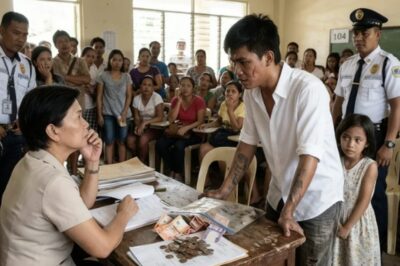
ISANG KINATATAKUTANG GANGSTER SA BARANGAY ANG SAPILITANG SUMUGOD SA ISANG SIKSIKANG PAMPUBLIKONG PAARALAN UPANG HARAPIN ANG ISANG ESTRIKTONG GURO, NA NAGDULOT NG MATINDING KABA SA MGA MAGULANG
Isang kilalang siga sa kanilang lugar ang biglang sumugod sa isang masikip na pampublikong paaralan sa Maynila upang harapin ang…

Kim Chiu and Paulo Avelino’s “Linlang” Era: Explosive Success, Millions in Revenue, and a Resounding Victory in Primetime
In the ever-evolving landscape of Philippine entertainment, where competition is fierce and audience loyalty is constantly tested, only a few…
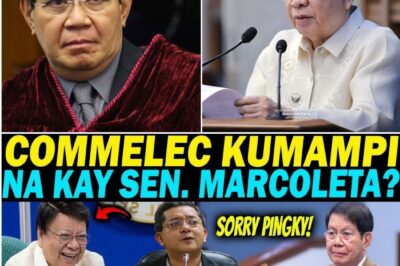
MARCOLETA ABSWELTO! CHAIRMAN GEORGE GARCIA PUMANIG SA KATOTOHANAN; PINKY LACSON, NAPAHIYA SA “SUITCASE” ALLEGATIONS!
Ngayong Marso 19, 2026, nagbunyi ang kampo ni Senator Rodante Marcoleta matapas siyang ma-abswelto ng Commission on Elections (COMELEC) sa kasong…

Ang Katotohanan sa Likod ng Kumakalat na Isyu nina Manny at Jinkee Pacquiao: May Plano nga ba si Jinkee na Ipakulong ang Pambansang Kamao o Ito ay Bahagi Lamang ng Isang Malaking Paninira sa Kanilang Pamilya?
Sa mundo ng mga tanyag na personalidad sa Pilipinas, wala na marahil hihigit pa sa ningning at impluwensya ng pamilya…

Handa na sa Pinakamatinding Pagsubok: Ang Lihim na Paghahanda nina PBBM at Pres. Trump sa Gitna ng Banta ng Isang Malaking Krisis na Maaaring Yumigtag sa Mundo
Sa gitna ng lumalalang tensyon sa iba’t ibang panig ng mundo, isang nakakabahala ngunit mahalagang balita ang umaalingawngaw ngayon sa…
End of content
No more pages to load