
The political and legal debate surrounding former Philippine president Rodrigo Duterte has entered a new phase as supporters and legal analysts question the circumstances of his arrest and the venue where his case should be tried.
More than a year after the controversial arrest and transfer of the former leader to international custody, voices from the legal community and political circles continue to raise fundamental questions about jurisdiction, due process, and the broader implications for Philippine sovereignty.
For many of Duterte’s supporters, the issue goes beyond the fate of a single political figure. They believe the case represents a defining moment in the country’s legal and political history—one that will test the independence of Philippine institutions and the strength of the nation’s constitutional protections.
A Case That Divides the Nation
Since leaving office in 2022, Duterte has remained one of the most polarizing figures in Philippine politics. During his presidency, his aggressive anti-drug campaign earned both strong support domestically and intense criticism internationally.
Investigations into alleged extrajudicial killings connected to the anti-drug war eventually drew the attention of the International Criminal Court.
The ICC began examining allegations that thousands of suspected drug users and dealers were killed during Duterte’s presidency as part of a state-backed crackdown.
Supporters of the former president argue that the accusations misrepresent the realities of the campaign against illegal drugs.
Critics, however, insist that a thorough international investigation is necessary to determine accountability for the deaths.
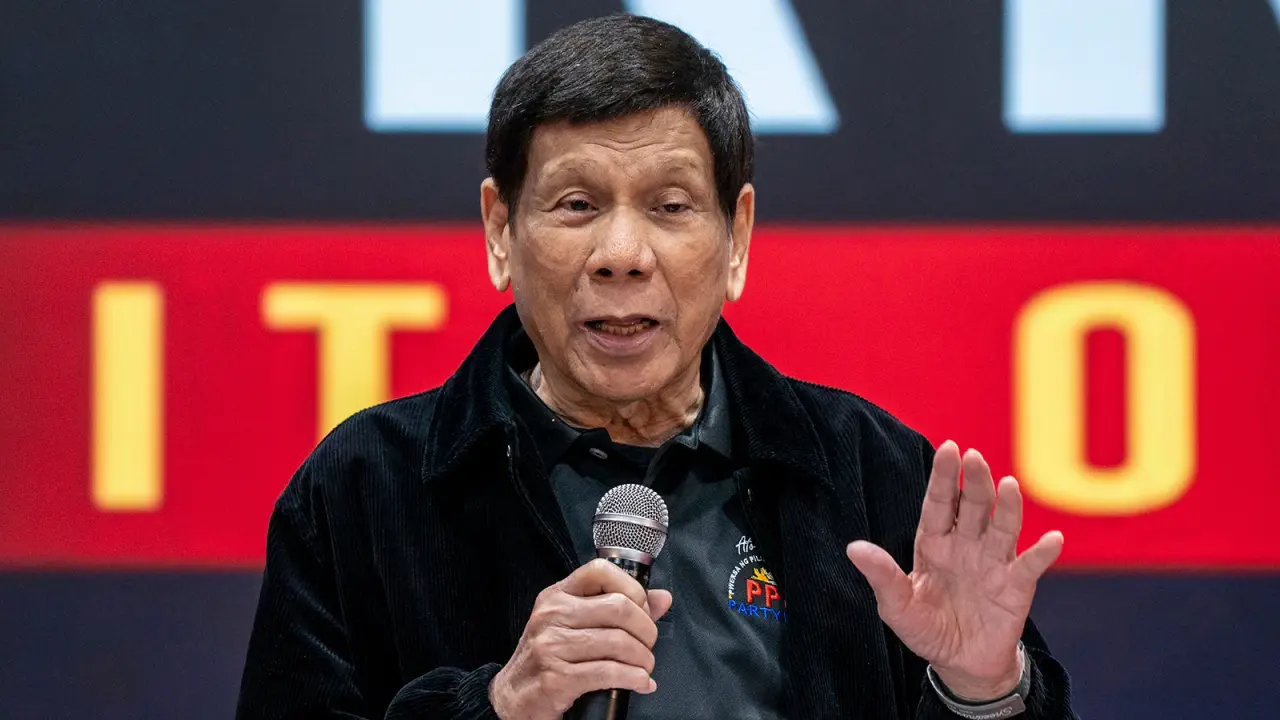
The Question of Jurisdiction
One of the central arguments raised by Duterte’s defenders concerns jurisdiction.
The Philippines officially withdrew from the ICC under Duterte’s administration in 2019. Because of that decision, some legal experts argue that the court no longer has authority over the country or its former officials.
Supporters of Duterte insist that any investigation or trial should take place within the Philippines rather than in an international tribunal.
They argue that the country’s own justice system—including the Department of Justice, the National Bureau of Investigation, and the Philippine National Police—has the authority and capability to examine the allegations.
For them, the fundamental issue is sovereignty.
They question whether a Filipino citizen—especially a former president—should be tried abroad for actions that allegedly occurred within the country.
Appeals to the Supreme Court
Legal advocates have also called on the Supreme Court of the Philippines to clarify whether the arrest and transfer of Duterte complied with the Philippine Constitution.
Supporters say the Supreme Court must determine whether his rights were respected and whether proper procedures were followed before allowing an international court to take jurisdiction.
For them, the issue is not only about Duterte himself but also about protecting constitutional guarantees for all Filipinos.
The question they raise is simple but powerful: Can a Filipino citizen be handed over to foreign authorities without first exhausting domestic legal remedies?
The Debate Over Extrajudicial Killings
At the center of the controversy are the allegations of extrajudicial killings, often referred to as EJKs.
Human rights groups have long argued that the anti-drug campaign led to thousands of unlawful deaths.
Duterte’s supporters strongly dispute the claim that the killings were part of an official state policy.
They argue that while deaths did occur during anti-drug operations, there was never a formal directive from the president ordering police or security forces to kill suspects.
Supporters point to the continued operation of the country’s prison system as evidence against such claims.
The Bureau of Jail Management and Penology reported that a significant portion of inmates were detained for drug-related offenses during Duterte’s administration.
According to defenders of the former president, if a policy of killing suspects had truly existed, thousands of those individuals would never have been arrested and imprisoned.
Alternative Explanations for the Killings
Supporters also argue that some of the killings attributed to the drug war may have been committed by criminal syndicates themselves.
Drug organizations, they claim, may have eliminated members or rivals out of fear that the government’s crackdown would expose their operations.
Another theory suggests that corrupt officials within law enforcement may have acted independently for personal gain.
In environments where illegal drugs generate enormous profits, the possibility of rogue actors within institutions cannot be ignored.
However, human rights advocates insist that these explanations do not account for the scale and pattern of the killings reported during the anti-drug campaign.
Duterte’s Age and the Length of Legal Proceedings
Another issue frequently raised by Duterte’s supporters is the practical reality of how long such a case could take.
The former president is now in his late seventies.
A complex international case involving thousands of alleged victims could take many years to resolve.
Legal observers note that each case could involve multiple witnesses, testimonies, and evidence reviews.
If thousands of incidents were examined individually, the process could stretch across decades.
Some supporters fear that Duterte may never see the conclusion of the trial due to his age and health.
They argue that this possibility raises ethical questions about fairness and the purpose of the proceedings.
Political Interpretations
For some observers, the controversy is not purely legal—it is also political.
Supporters of Duterte claim that his removal from the Philippines benefits his political opponents by weakening a powerful figure in the opposition.
Despite leaving office, Duterte remains extremely influential in Philippine politics.
During the final months of his presidency, he maintained high public trust ratings and continued to command strong loyalty among supporters.
His allies argue that if the case were handled within Philippine courts, the possibility of acquittal or bail would be greater.
They believe that international detention effectively removes him from the country’s political landscape.
The Wider Political Landscape
The debate also reflects the broader divisions within Philippine politics.
Supporters of Ferdinand Marcos Jr., critics of Duterte, and members of the so-called DDS (Diehard Duterte Supporters) movement all bring different perspectives to the issue.
The controversy has become a powerful symbol of the ongoing struggle between political factions.
For some, the ICC investigation represents accountability and justice.
For others, it represents foreign interference in the country’s internal affairs.
Economic Concerns Add to Public Anxiety
Beyond the legal controversy, Filipinos are also grappling with economic concerns.
Rising fuel prices have begun affecting the cost of transportation, food delivery services, and agricultural production.
Because fuel is a critical component of logistics, increases in gasoline prices can quickly ripple through the economy.
Farmers often receive low prices for their crops while traders and middlemen capture the larger profits once products reach markets.
Critics argue that systemic problems in the agricultural supply chain have left farmers struggling even as food prices rise for consumers.
A Call for Political Reform
Amid the heated political climate, some commentators have called for broader reforms in the country’s democratic processes.
One issue frequently raised is the reliability of election systems.
Some political observers believe the country should revisit discussions about manual vote counting at the precinct level to increase transparency and public trust in election results.
They argue that ensuring credible elections will be essential as the nation prepares for future political contests.
The Road Toward 2028
With the next presidential election scheduled for 2028, political strategists are already thinking about the future.
The outcome of Duterte’s case—whether resolved internationally or domestically—could influence the direction of Philippine politics for years to come.
For supporters of the former president, the hope remains that he will ultimately clear his name.
For critics, the expectation is that the legal process will reveal the truth about the controversial anti-drug campaign.
A Nation Waiting for Answers
As debates continue in courtrooms, political forums, and social media platforms, millions of Filipinos are watching closely.
The case of Rodrigo Duterte has become more than a legal proceeding—it is a reflection of the nation’s struggle to balance justice, sovereignty, and political accountability.
Whether the final verdict comes from an international tribunal or a Philippine court, one thing is certain:
The outcome will shape the country’s political narrative for generations to come.
News

Manny Pacquiao Has Something Bad to Do with Jillian Ward? Emman Bacosa Completely Deletes the Actress from His Life After Discovering That the Girl Has Another Man’s Attention!
In the world of showbiz and sports, it seems that nothing is more explosive than the news involving a Pacquiao…

HABANG LUMULUBOG ANG BAYAN SA TAAS-PRESYO… ISANG ARTISTA ANG GUMAWA NG HINDI INAASAHAN — ANG LIHIM NA DESISYON NI DONNY PANGILINAN NA NAGPAIYAK SA MGA DRAYBER AT NAGPA-ASA SA LIBO-LIBONG PILIPINO
Habang Lahat Nagtaas… Si Donny Pangilinan Nagbaba Para sa Tao. HABANG LUMULUBOG ANG BAYAN SA TAAS-PRESYO… ISANG ARTISTA ANG GUMAWA…

Viral Controversy Clarified: The Truth Behind the Alleged Incident Involving Jeric Raval and Kylie Padilla
In the fast-moving world of entertainment, where headlines are often driven by speculation and amplified by social media, it takes…

https://av.weeknews247.com/aviet/unang-panalo-nabuksan-ang-iran-blockade-balik-export-na-ang-iraq-at-saudi-sa-gitna-ng-matinding-tensyon-sa-strait-of-hormuz-at-krisis-sa-pandaigdigang-merkado-ng-langis/
In the ever-evolving world of Philippine entertainment, few on-screen partnerships have captured the imagination of fans quite like Kim Chiu…
Unang Panalo! Nabuksan ang Iran Blockade: Balik Export na ang Iraq at Saudi sa Gitna ng Matinding Tensyon sa Strait of Hormuz at Krisis sa Pandaigdigang Merkado ng Langis
Sa gitna ng tila walang katapusang gulo at tensyon sa Gitnang Silangan, sa wakas ay may magandang balitang sumalubong sa…
Mula sa Bulwagan ng Senado Patungo sa Harapan ng Kalamidad: Nasaan na nga ba ang Maalamat na ‘Action Man’ na si Dick Gordon at Ano ang Kanyang Pinagkakaabalahan Ngayong 2026?
Sa mabilis na takbo ng pulitika sa Pilipinas, madaling makalimot ang publiko sa mga pangalang dati ay laging laman ng…
End of content
No more pages to load